
baby naming tips
Can't Agree on a Baby Name? Bridge Different Naming Styles
Can't agree on a baby name because your styles clash? Use this fair, practical exercise to find shared qualities and build a shortlist together.

AI-assisted · Sophie Lane writing voice
On this page
- First, name the real disagreement
- Agree on three fair rules
- 1. The final name needs two willing yeses
- 2. A no removes a name, not a whole style
- 3. Both people do the discovery work
- Try the 20-minute style-bridge exercise
- Step 1: Find the qualities under your favorites
- Step 2: Mark each quality as essential or flexible
- Step 3: Swap notes and reflect before replying
- Step 4: Write one shared brief
- Step 5: Bring back five new names each
- Use scripts that keep the conversation open
- When you feel dismissed
- When every suggestion is being vetoed
- When you dislike a name your partner loves
- When the conversation is going in circles
- Check whether the process is actually fair
- If the styles still do not meet
- Explore separately, then compare your likes
- What to remember
You like short, contemporary names. Your partner likes formal names with history. Every suggestion seems to confirm the same conclusion: your baby-name styles are miles apart.
That does not mean one person has better taste—or that one person must surrender. It means you are comparing finished answers before you have understood the qualities behind them.
This guide offers a practical editorial exercise for turning “your list versus mine” into a shared search brief. It is not relationship counseling, and it will not manufacture instant agreement. It will help both people describe what matters, share the work and look for fresh names on fairer terms.
First, name the real disagreement
There are two different kinds of baby-name deadlock:
- You broadly like the same style but disagree about one or two names.
- You are drawn to different types of name.
The second problem rarely improves when you keep proposing more individual names. A new suggestion may sound like another attempt to win the old argument.
Pause the name exchange and describe the contrast without judging it. Try:
“I think I prefer concise, familiar names, while you prefer longer names with a strong family or historical connection. Is that a fair description?”
Keep the wording neutral. “Familiar” and “unusual” are descriptions; “boring” and “trying too hard” are verdicts. You are mapping two preferences, not reviewing each other’s character.
The decision also needs genuinely shared participation. A 2024 study based on interviews with 46 US Mexican-origin heterosexual parents examined how baby naming can involve unequal research, emotional labor and decision-making power. Its narrow sample cannot represent every couple or family, but it is a useful reminder to notice who is doing the searching, adapting and keeping the process moving.
Agree on three fair rules
Before you search again, agree on the process. These are editorial suggestions, so adapt them to your family.
1. The final name needs two willing yeses
A name is not a fair compromise if one person expects to resent it. “I can live with it” may be enough for a takeaway order; it is a shaky foundation for a final name.
2. A no removes a name, not a whole style
Either person can say no to an individual name without presenting a courtroom case. But “no” should not quietly expand into “and therefore your entire taste is wrong.”
3. Both people do the discovery work
If one person brings 40 ideas and the other only rejects them, the process is not balanced. Set the same small task for each person, with the same deadline and the same number of suggestions.
Try the 20-minute style-bridge exercise
Do this separately at first. You will need a note, three names you genuinely like and about 20 quiet minutes.
Step 1: Find the qualities under your favorites
Write down three names from your current list. Under each one, complete:
- I like the sound because…
- I like the shape or length because…
- I like the level of familiarity because…
- The story, language, culture or family connection matters because…
- A nickname or full-name option matters because…
- The part I would be saddest to lose is…
You do not need an answer for every prompt. The goal is to find the recurring qualities beneath the names.
For example, what looks like a preference for “traditional names” may really be a wish for a formal full name and an easy everyday nickname. What looks like a preference for “modern names” may really be a wish for simple spelling and a compact sound.
Those underlying wishes may overlap more than the original lists do.
Step 2: Mark each quality as essential or flexible
Choose no more than two essentials. Everything else goes in the flexible column.
| Essential for me | Flexible for me |
|---|---|
| A quality you would be genuinely sad to lose | A preference you enjoy but could trade |
| A practical or family consideration that really matters | A feature another part of the name could carry |
Limiting the essential column matters. If every preference is non-negotiable, you have not created a bridge; you have rewritten your original list in abstract language.
Step 3: Swap notes and reflect before replying
Read your partner’s page and summarize it back:
“It sounds as though the family connection matters more to you than the name being long. Have I understood that?”
Let them correct the summary. Do not use this moment to explain why your own priorities are more practical.
Step 4: Write one shared brief
Build a single sentence using one essential from each person and one or two flexible preferences:
“We are looking for a name with a meaningful family or cultural link, a straightforward everyday form and room for a more formal option.”
Your sentence will be different. It might combine:
- a familiar sound with a less common full form
- a short first name with family meaning carried in the middle
- an established spelling with an energetic nickname
- a culturally meaningful name that both families can learn to pronounce correctly
This is a search brief, not a promise that every condition can be perfectly optimized.

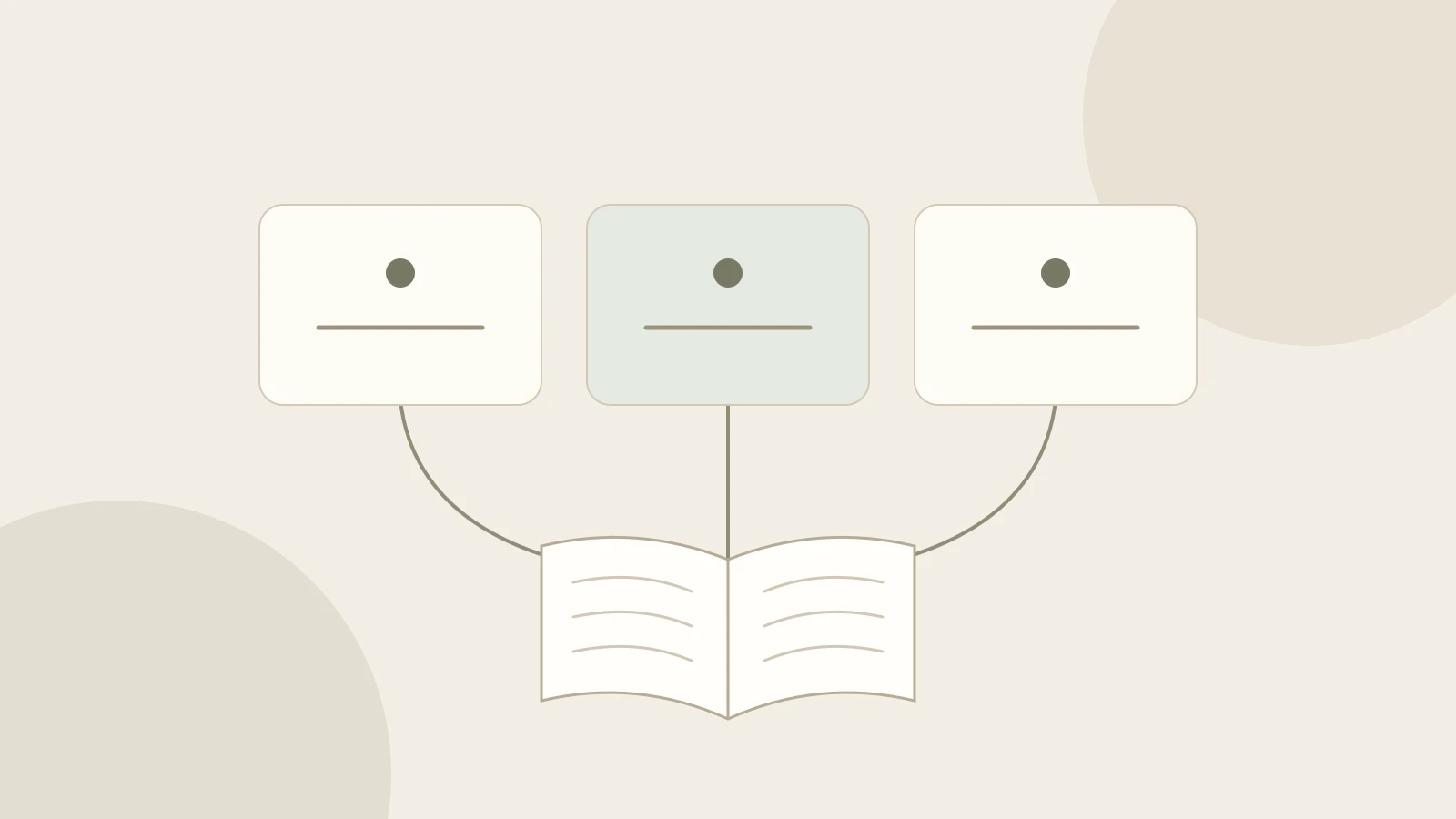
Compare the qualities behind your lists, then build the shared search brief together.
Step 5: Bring back five new names each
Search separately from the shared brief. Each person returns with exactly five new possibilities:
- no original favorites
- no deliberate joke entries
- no name chosen only to prove that the brief is impossible
- at least one option that stretches your usual taste
Read all ten before discussing any of them. Mark each privately as yes, curious or not for me.
Keep the yes/yes, yes/curious and curious/curious names. The point is not to force an immediate winner; it is to create a small patch of shared territory.
If you need a calmer way to gather ideas first, use the 30-minute baby-name shortlist method before returning to this exercise.
Use scripts that keep the conversation open
When a name feels personal, a prepared sentence can stop a quick reaction becoming a bigger argument.
When you feel dismissed
“I can accept that the name is a no. Before we drop it, could you help me understand which part does not work for you?”
When every suggestion is being vetoed
“Could we pause individual names and each bring five ideas from the shared brief? I want us both to do the searching.”
When you dislike a name your partner loves
“That name is not a yes for me, but I want to understand what you love about it so I can look for that quality elsewhere.”
When the conversation is going in circles
“We are repeating the same positions. Let’s stop for today and come back to the brief, not the old favorites.”
These scripts are not magic words. Their job is simply to replace ridicule, persuasion and instant defense with useful information.
Check whether the process is actually fair
A shared spreadsheet or app does not automatically make a shared decision. Ask:
- Who is finding most of the names?
- Who keeps changing their preferences?
- Does one person have to justify every no while the other does not?
- Are family, surname or cultural expectations being treated as one person’s problem?
- Is one person waiting until the deadline in the hope that the other gives in?
If the answers feel lopsided, fix the process before choosing the name. Equal participation does not require identical tasks, but both people should have meaningful input and a real ability to say no.
If the styles still do not meet
Do not turn the original favorites into finalists by default. Put them aside for a week and keep only the shared brief.
Then try one change at a time:
- Relax one flexible quality, not an essential one.
- Explore whether the first and middle names can carry different priorities.
- Test whether a formal name and everyday nickname can serve both styles.
- Ask each person to bring three names inspired by the other person’s notes.
- Stop adding names once you have five genuine maybes.
For a broader method covering vetoes, full-name checks and final decisions, continue with How to Choose a Baby Name You Both Love.
If the discussion becomes unkind, pause it. A deadline does not make contempt, mockery or pressure productive.
Explore separately, then compare your likes
In Namely, each partner can explore on their own phone. Once connected, you can see each other's liked names, with mutual likes shown first. For the hidden-reaction exercise above, use separate notes or complete it before connecting.
That does not make the decision for you. It gives the next conversation a more useful starting point: the names that already earned two honest reactions.
Try Namely when you are ready to explore independently, then bring the matches back to your shared style brief.
What to remember
Different baby-name styles are not a verdict on your compatibility or your taste. They are two incomplete sets of clues.
Describe the qualities beneath the names, choose only two essentials each, share the discovery work and search from one joint brief. You do not need one person to win. You need a shortlist built from two willing voices.